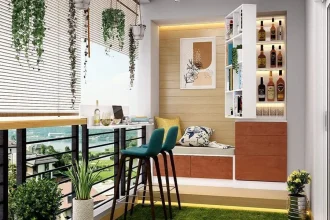
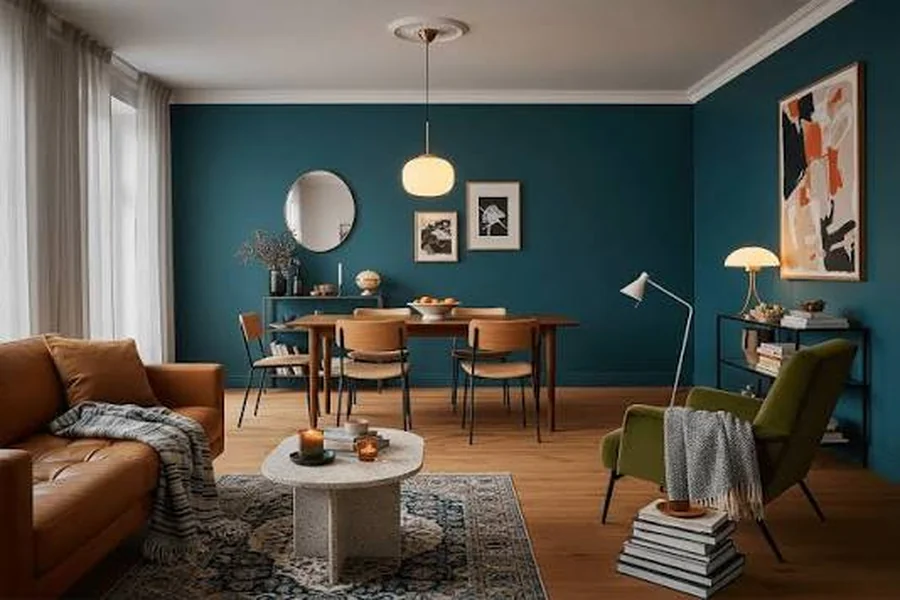
Walk into any room that feels instantly welcoming, and chances are good lighting is doing more work than you realize. Great residential lighting design isn’t about picking out a stylish fixture and calling it done. It’s about layering three distinct types of light—ambient, task, and accent—so each one does its job while supporting the others.
When these three layers work together, a room becomes more functional, more comfortable, and genuinely more beautiful. When they don’t, you end up with spaces that feel flat, harshly lit, or strangely dim no matter how many lamps you add. This post breaks down what each lighting type does and how combining them creates a home that looks as good as it functions.
Understanding Ambient Lighting
Ambient lighting is the foundation of any room. It provides the general, overall illumination that lets you move around safely and see what’s in front of you without straining your eyes. Think of it as the base layer in your residential lighting design, the one every other light source builds on top of.
Common sources of ambient lighting include ceiling fixtures, chandeliers, and recessed lighting. These fixtures are typically positioned to spread light evenly across a space rather than focus it on one particular spot. Without sufficient ambient lighting, a room can feel cave-like no matter how many decorative lamps you scatter around it.
A well-designed ambient layer should feel soft and consistent, not glaring. Dimmable overhead fixtures are a smart choice here, since they let you adjust brightness depending on the time of day or the mood you’re going for.
Exploring Task Lighting
While ambient lighting covers the whole room, task lighting zeroes in on specific activities. It’s the light that lets you read a book without squinting, chop vegetables safely, or focus during a late-night work session at your home office desk.
Desk lamps, under-cabinet lighting in kitchens, and pendant lights over a kitchen island are all classic examples of task lighting. These fixtures are placed deliberately, close to where detailed work actually happens, rather than spread evenly like ambient light.
Good task lighting should be bright enough to prevent eye strain but positioned to avoid glare or harsh shadows. A desk lamp angled correctly, for instance, makes a world of difference when you’re working from home for hours at a stretch. Without this layer, even well-lit rooms can leave you reaching for your phone’s flashlight to read fine print.
Accent Lighting Adds Visual Interest
If ambient lighting is the foundation and task lighting is the function, accent lighting is the personality. It’s used to highlight architectural features, artwork, plants, or any element of a room you want to draw attention to.
Wall sconces, picture lights, and directional spotlights all fall under this category. Unlike ambient and task lighting, accent lighting isn’t about seeing clearly. It’s about creating depth, dimension, and a bit of drama in your residential lighting design.
A well-placed spotlight on a textured accent wall, or a picture light above a favorite piece of art, instantly elevates a space. These small touches are often what separates a home that feels professionally designed from one that feels merely functional.
How to Combine All Three Types Effectively
Creating a cohesive residential lighting design means layering these three types rather than relying on just one. Here’s a simple approach:
Start with ambient lighting as your base. This ensures the room has adequate overall illumination before you add anything else.
Add task lighting in functional zones. Kitchens, home offices, and reading nooks all benefit from targeted light sources that support the specific activities happening there.
Bring in accent lighting last. Use it to highlight the features you’re proudest of, whether that’s a piece of artwork, a bookshelf, or an architectural detail like an exposed beam.
Adjust brightness throughout the day. Dimmer switches and smart bulbs make it easy to shift from bright, functional lighting in the morning to softer, cozier lighting in the evening. This flexibility is one of the simplest ways to transform how a room feels without changing a single fixture.
The goal isn’t to max out every layer at once. It’s to give yourself the flexibility to adjust based on what the moment calls for, whether that’s hosting guests, cooking dinner, or settling in to read.
Bringing It All Together
Thoughtful residential lighting design isn’t a luxury reserved for professionally styled homes. It’s a practical approach that anyone can apply, layer by layer, to make everyday living more comfortable and visually appealing. Ambient lighting gives you a solid foundation, task lighting supports the activities that matter most, and accent lighting adds the personality that makes a house feel like home.
Rather than overhauling every room at once, start small. Pick one space, perhaps your kitchen or living room, and look at how the three layers are currently working (or not working) together. Adding even one well-placed task or accent light can make a noticeable difference. Over time, these small, intentional choices add up to a home that feels as good as it looks.