
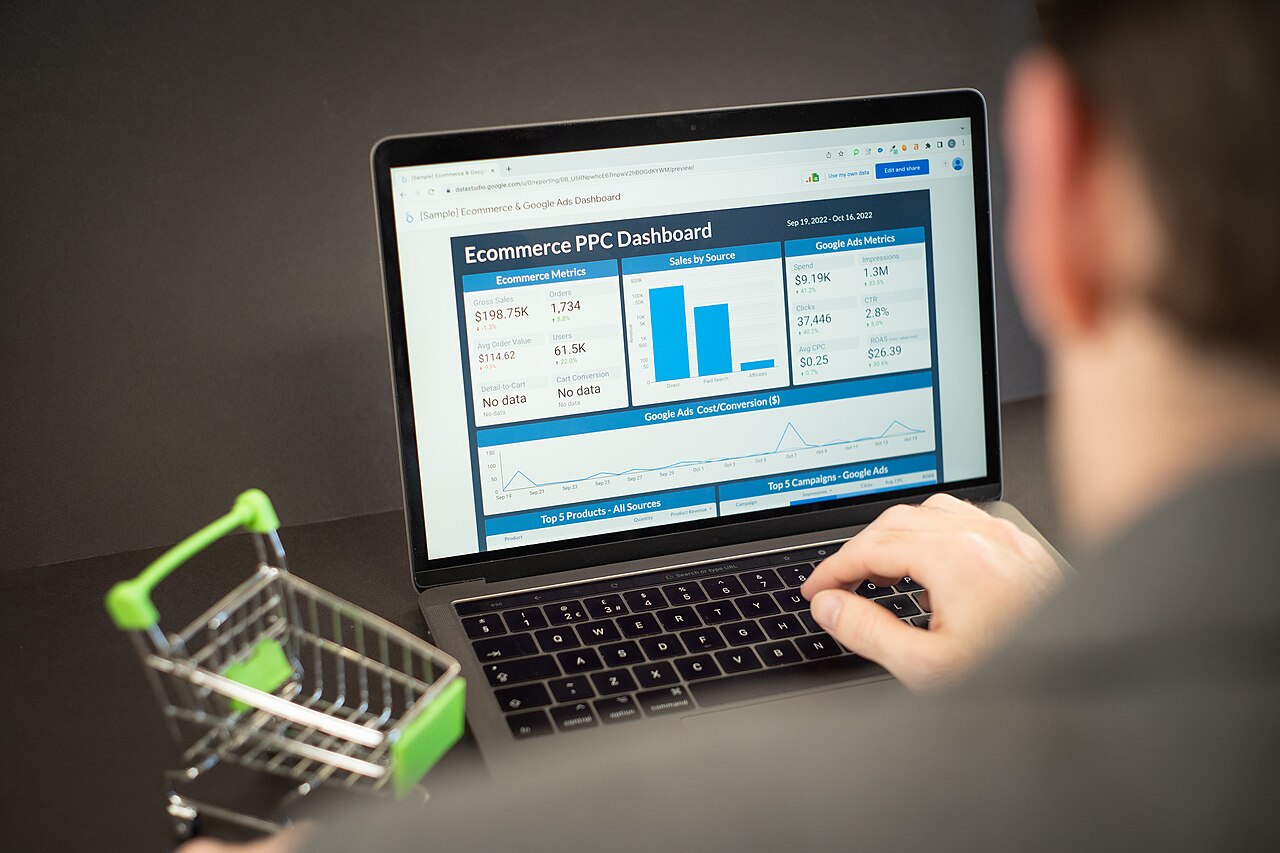
A website’s visitor count can look impressive in a spreadsheet, but it does not tell you whether the right people will read your article. When evaluating guest posting sites with 10K+ traffic, consider audience relevance, editorial standards and the likelihood that a published post will bring lasting value. Traffic is a useful starting point; it is not the whole decision.
Guest posting works best when it introduces useful expertise to readers who have a reason to care about it. A business writing about customer onboarding, for instance, may find more value in a focused software or operations publication than in a much larger site whose audience has little connection to the subject. The goal is not simply to secure a byline. It is to contribute something worth reading and reach people who may benefit from it.
Look beyond the headline traffic figure
Before choosing a publication, find out what its traffic estimate actually represents. Is it monthly visits, unique visitors or page views? Is the figure recent, and does it refer to the whole domain or a particular section? Third-party estimates are approximations, so treat them as directional rather than exact.
Then look for signs that visitors are engaged. Does the site publish new material consistently? Do its articles attract thoughtful comments or signs of sharing? Are there useful internal links that help readers explore related topics? A smaller publication with a clear readership and strong editorial focus may offer better exposure than a larger site with scattered subjects and thin pages.
It can also help to inspect the search results for a few of the site’s articles. If relevant pages appear for specific questions and offer a helpful answer, the publication may have a durable audience beyond its regular subscribers. Search visibility is not guaranteed, but useful, well-maintained content has a better chance of continuing to attract readers than a page created solely to host a link.
Check whether the audience matches your subject
Read several recent articles, not just the contributor guidelines. Notice how the site handles evidence, examples and expert opinions. Consider whether your proposed article would feel at home there and whether its readers would find it practical. A relevant placement can build familiarity and trust; an unrelated one may be ignored, even if its traffic number is high.
Make a short list of questions before pitching:
- Does the site publish content for the audience you want to reach?
- Are its articles original, clear and useful, or mostly generic summaries?
- Does it have a consistent publishing history and visible editorial standards?
- Can you offer a distinct idea rather than repackage an article already on the site?
- Will any link to your work make sense in context for readers?
These checks help distinguish a genuine editorial opportunity from a page that exists mainly to accommodate placements. Be cautious of promises about guaranteed rankings or instant results. A published article can contribute to awareness and discovery, but outcomes depend on the quality of the work, the publication and the audience.
Pitch a useful contribution
A strong pitch is specific. Suggest a clear angle, explain why it suits the publication’s readers and briefly show what the article will help them do or understand. Avoid sending the same broad proposal to every editor. If the site has covered the topic before, identify a fresh perspective, a useful case study or a common question its existing coverage leaves unanswered.
Plan the article around the reader’s need, not around a link. Use credible examples, explain unfamiliar terms and keep claims proportionate to the evidence. If you refer to a product or service, do so only when it genuinely clarifies the point. Follow the publication’s rules for sources, author bios and links, and be prepared for an editor to revise or decline the draft.
Some topics benefit from supporting media. For a business explaining a complex process, a short animation might make an article easier to follow. Before hiring, agree on the intended audience, style, deliverables, video usage rights and editable project files; Osdire’s guide on choosing an explainer video freelancer covers portfolio review, proposals and questions to ask.
Measure value after publication
Record the publication date, article URL, referral visits and any relevant inquiries or sign-ups. Where possible, use tracking parameters on links you control, while respecting the publisher’s policies. Review performance over time rather than judging a post by its first few days. Some articles may produce steady search visits; others may be most useful for credibility, audience learning or a relationship with the publication.
Keep a simple record of each placement and note what you learned: which topics drew interest, which sources sent engaged visitors and which editorial formats worked well. If your wider plan includes technical SEO, digital PR, local search or content, you can also compare internal capacity with services such as SEO support for teams, while checking that reporting makes the actual work and live results clear.
Build a consistent standard
Guest posting is most sustainable when each contribution stands on its own as valuable publishing. Choose sites for the readers they serve, verify traffic claims with context, and prioritize editorial quality over a single metric. With a focused pitch and a way to review results, you can make better decisions about where to contribute next—and avoid spending time on placements that look strong only on paper.