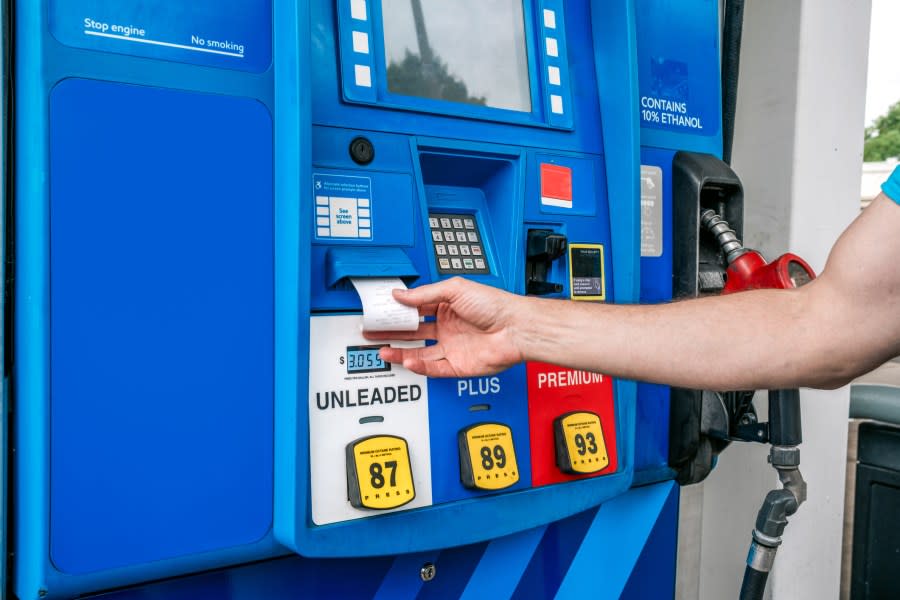
When a fleet manager hands out a company credit card and relies on drivers to return receipts at the end of the month, the result is predictable: lost paperwork, unexplained charges, and zero visibility into what each person actually spent. Fuel cards built for fleet management replace that chaos with structure. Every driver gets a dedicated card tied to specific purchase rules, and every transaction is recorded automatically the moment it happens at the pump. The shift from manual tracking to a card-based system is one of the most practical upgrades a fleet operation can make.
Why manual fuel tracking creates problems
Plenty of small and mid-size companies still use personal credit cards or petty cash to cover fueling. That approach forces someone in the back office to sort through stacks of receipts, cross-reference bank statements, and hope the totals line up. The process eats hours of administrative time each month and still leaves gaps in the data. Missing receipts, illegible handwriting, and forgotten mileage logs mean the final numbers are never fully accurate.
The U.S. fuel card market reached $88.03 billion in 2024 and is projected to grow at 9.4 percent annually through 2030, according to Grand View Research. That growth reflects a clear trend: businesses are moving away from manual expense tracking toward automated solutions that capture every fuel purchase in real time.
Fuel expenses rank among the most frequent line items in fleet operations, and without proper monitoring, costs climb without anyone noticing the pattern. A fuel card assigns accountability to each driver and each vehicle, creating a clean audit trail from pump to ledger. This level of tracking allows managers to catch problems early rather than discovering budget overruns weeks after they happen.
How fuel cards create real-time visibility
Every time a driver swipes a fuel card at a station, the system records the date, time, location, gallon count, and dollar amount. This level of reporting eliminates the guesswork that comes with manual methods and gives fleet managers a current view of spending across every vehicle in the fleet.
That visibility opens the door to smarter decisions. If one driver consistently spends more than others running a similar route, the data reveals it. If certain stations charge noticeably higher prices, the reporting highlights the pattern. Managers can use this information to optimize fueling habits, redirect vehicles to lower-cost locations, and reduce overall fleet fuel costs by targeting the specific sources of waste.
The Shell Fleet Solutions Q1 2024 Trends Report found that fleet cards help companies reduce fuel costs by 5 to 15 percent through spend tracking, misuse detection, and centralized dashboards. Those savings compound quickly across a fleet of dozens or hundreds of vehicles, turning improved visibility into measurable bottom-line results.
Beyond cost reduction, real-time data also supports operational efficiency. Managers can identify vehicles whose fuel consumption per mile has increased, which may signal maintenance needs like low tire pressure or engine issues. Catching those problems through fuel data prevents more expensive repairs later.
Spending limits and purchase controls
One of the most practical features of a fuel card is the ability to set limits on what drivers can buy. Managers can restrict cards to fuel-only transactions, cap daily or weekly spending amounts, and block purchases at unauthorized locations. These controls stop misuse before it occurs rather than flagging it after the money is already gone.
Security features built into modern fuel cards also catch unusual activity. If a card is used outside normal business hours, at a station far from the assigned route, or for a purchase category that violates the preset rules, the system generates an alert. This kind of monitoring protects the business from unauthorized spending and outright fraud.
Research from Visa Commercial Solutions found that roughly 3 percent of fleet card transactions involve unauthorized spend, costing U.S. businesses an estimated $2 billion each year. Purchase controls paired with real-time alerts cut that exposure significantly, saving companies money that would otherwise disappear unnoticed into general operating expenses.
Access to broad fuel station networks
Fuel cards come with access to a network of fuel stations, giving drivers the convenience of filling up along their routes without carrying cash or using a personal card. Depending on the provider, that network may include thousands of stations across the country, covering highways, metro areas, and rural corridors.
This access directly supports efficiency. Drivers spend less time searching for an approved fueling location and more time completing their routes. For businesses with vehicles spread across multiple states or regions, broad network coverage means consistent fueling regardless of geography.
Many fuel card programs also include negotiated discounts at participating stations. Even a few cents per gallon adds up for fleets burning hundreds or thousands of gallons each month. Those discounts translate to meaningful savings over the course of a quarter or a full year, especially when fuel prices are volatile. Combined with the ability to steer drivers toward lower-cost stations through the reporting dashboard, network access becomes both a convenience feature and a cost control tool.
Streamlined expense management
Beyond the pump, fuel cards simplify back-office operations. Every transaction feeds into a centralized reporting dashboard, which eliminates the need to chase paper receipts or manually key data into spreadsheets. This convenience saves administrative hours each week and reduces common accounting errors that creep into manual processes.
Most fuel card solutions integrate with popular accounting and fleet management software, allowing businesses to export transaction data directly into existing systems. The result is cleaner books, faster month-end closes, and better visibility into exactly where fuel dollars are going. Reconciliation that used to take days can happen in hours.
For companies managing dozens or hundreds of vehicles, this level of automation is a practical necessity. The time savings from automated tracking alone justify the switch from manual methods to a structured card program.
What to look for when choosing a fuel card
Not every fleet card works the same way. Some restrict use to branded stations, while others function as universal cards accepted at nearly any location. The right choice depends on fleet size, geographic coverage needs, and what kind of management features the business requires.
Key factors to evaluate include the size of the station network, the depth of transaction reporting, the flexibility of spending limits, available discounts or rebate structures, and integration with existing fleet management tools. A card that offers broad access but limited reporting may fall short for a company that needs detailed expense monitoring and tight cost control.
The global fuel card market reached $1.62 billion in 2024 and is projected to hit $3.1 billion by 2034, according to Fact.MR. That trajectory confirms growing demand for fuel cards that combine purchase convenience with genuine cost management capabilities.
Putting fuel cards to work
Fuel cards give businesses a structured way to manage one of their most persistent operating expenses. They replace guesswork with data, manual processes with automation, and uncontrolled spending with enforceable limits. For any company running fleet vehicles, adopting fuel cards is a direct path to tighter cost control, cleaner reporting, and more efficient daily operations across every vehicle in the fleet