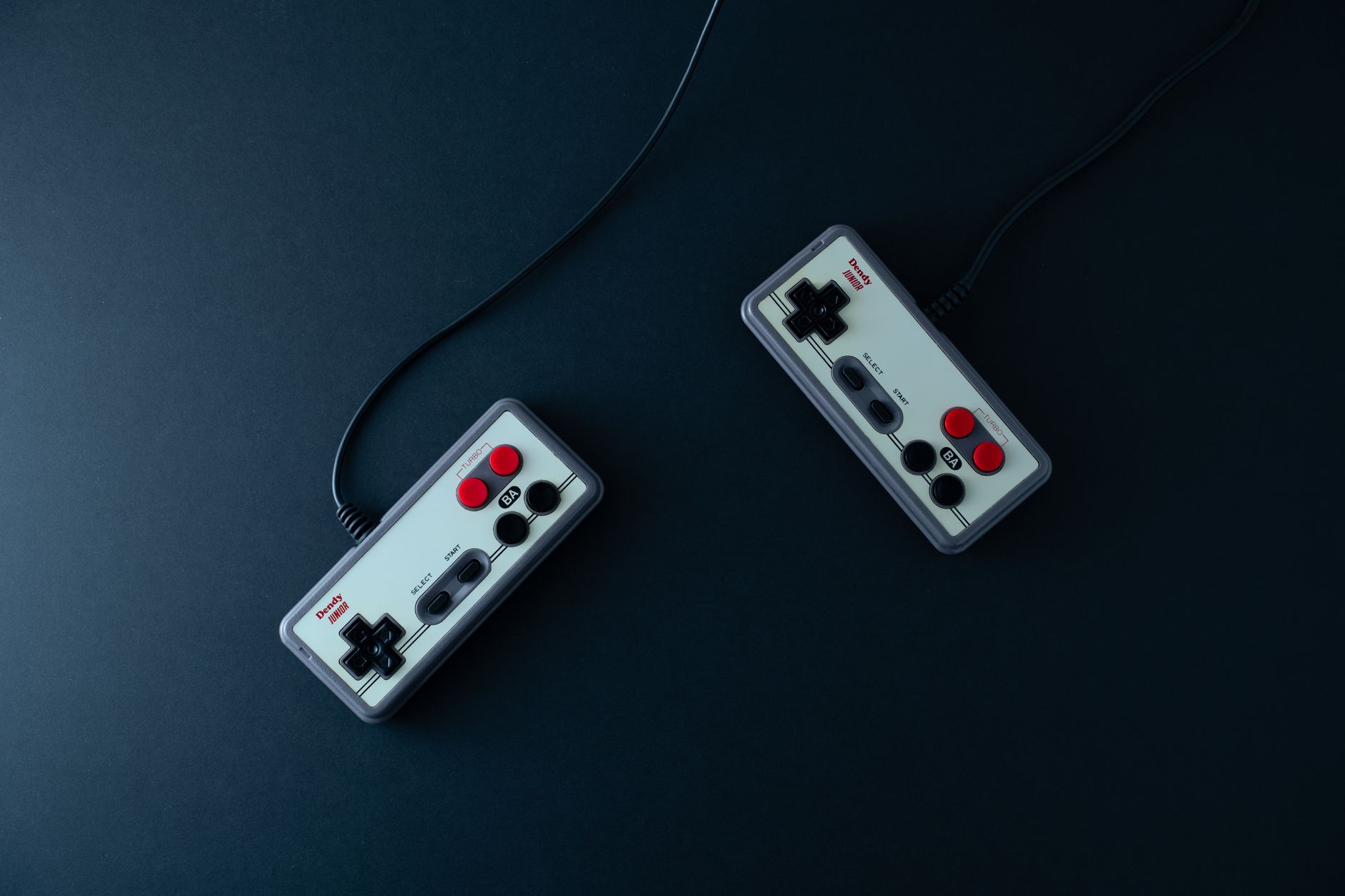
Few forms of entertainment have transformed as quickly as online slot. What began as a handful of university students typing commands into shared text worlds has become a global industry where millions of people play, compete, and socialize every minute of the day. Understanding the evolution of online gaming helps players appreciate the technology behind their favorite titles and gives a glimpse of where the hobby is heading next.
The Early Days: Text Worlds and Local Networks
Long before high-definition graphics, online play meant reading. Multi-User Dungeons, better known as MUDs, appeared in the late 1970s and grew through the 1980s. Players connected to university servers, described their actions in text, and explored fantasy worlds together. There were no images, yet these games introduced ideas that still define online gaming today: persistent worlds, character progression, player economies, and communities that formed around shared adventures.
At the same time, local area networks (LANs) allowed friends to connect computers in the same room. LAN parties became a cultural phenomenon in the 1990s, with players hauling bulky monitors to a friend's house for a weekend of shooters and strategy games. These gatherings proved that multiplayer gaming was not only fun but deeply social.
The Dial-Up Era: Connecting Across Cities
When home internet arrived through dial-up modems, players could finally compete against strangers in other cities and countries. Connections were slow and unreliable, and a family member picking up the phone could disconnect you mid-match. Still, this era gave birth to online matchmaking services, early first-person shooter communities, and the first graphical massively multiplayer online games.
Developers learned to design around limited bandwidth. Games used clever techniques such as client-side prediction, where your computer guesses what will happen next so the action feels smoother even with delay. Many of these ideas remain part of modern netcode.
Broadband and the Rise of MMOs
Broadband internet changed everything in the early 2000s. Always-on connections with far higher speeds made it possible to host thousands of players in one persistent world. Massively multiplayer online role-playing games (MMORPGs) exploded in popularity, building subscription businesses and communities that lasted for years.
Broadband also made voice chat practical. Instead of typing messages during intense moments, teams could coordinate in real time. This single change made cooperative and competitive play far more strategic and helped lay the groundwork for modern esports.
Consoles Join the Online World
Console manufacturers soon built online services directly into their systems. Unified friend lists, achievements, digital storefronts, and easy matchmaking brought online play to living rooms around the world. Players who had never configured a PC network could now join a match with a few button presses. This accessibility expanded the audience enormously and made online features a standard expectation rather than a bonus.
The Mobile Revolution
Smartphones placed a gaming device in almost every pocket. Mobile online games introduced new habits: short play sessions, free downloads, and social features tied to contact lists. Regions where gaming PCs and consoles were expensive suddenly had access to competitive multiplayer on affordable phones. Mobile gaming turned millions of casual users into regular players and pushed developers to design experiences that work well on small screens and variable networks.
Free-to-Play and Games as a Service
Another major shift came with the free-to-play model. Instead of charging upfront, many games became free to download and earned revenue through optional cosmetic items, battle passes, and expansions. This approach lowered the barrier to entry and encouraged developers to keep updating their games for years. The idea of a game as a living service, with seasons, events, and regular content drops, is now central to the industry.
Streaming, Esports, and Social Play
Live streaming platforms turned watching games into a form of entertainment in its own right. Viewers follow favorite creators, learn strategies, and join communities in chat. Esports tournaments now fill arenas and attract large online audiences. Online gaming is no longer just about playing; it includes watching, creating, and connecting with others who share the same interests.
Cloud Gaming: The Next Chapter
Cloud DEWA222 services run games on remote servers and stream the video to your screen, much like a movie. Your device only needs to display the image and send your inputs. In theory, this means high-end games can run on modest laptops, tablets, or even smart TVs. The main challenges are latency and the need for a stable, fast connection. As networks improve and data centers expand, cloud gaming is likely to become a more common way to play.
What the Future May Hold
Looking ahead, several trends seem likely to shape the next stage of online gaming:
- Wider cross-platform play: Friends on different devices joining the same match without barriers.
- Smarter matchmaking: Systems that pair players by skill, behavior, and connection quality.
- Immersive technologies: Virtual and augmented reality creating new kinds of shared spaces.
- AI-assisted content: Tools that help developers build larger worlds and more responsive characters.
- Better safety features: Improved moderation and parental controls to keep communities welcoming.
Why This History Matters to Players
Knowing how online gaming evolved helps players make informed choices. It explains why a wired connection still beats Wi-Fi for competitive matches, why some games feel smoother than others, and why business models look the way they do. It also reminds us that the core appeal has never changed: people love playing together.
Frequently Asked Questions
What was the first online game?
Early text-based MUDs from the late 1970s are widely considered among the first online multiplayer games, running on university computer networks.
Why did broadband matter so much for gaming?
Broadband offered always-on, faster connections, which allowed large persistent worlds, smoother matches, and practical voice chat.
Is cloud gaming going to replace consoles?
Cloud gaming is growing, but it depends heavily on internet quality. For now, it is more likely to sit alongside consoles and PCs than replace them completely.
Conclusion
The evolution of online gaming is a story of technology meeting human curiosity and the desire to connect. From text commands on university servers to cloud-streamed worlds, every stage has expanded who can play and how. Whatever comes next, online gaming will keep bringing people together, one match at a time.